Home / For Business / Mental Health
Workplace mental healthSupport your team can book this week
Most workplace mental health cover is a phone number and a waiting list. Ours is a therapist with appointments free in days, psychiatry behind it, and nothing about any of it reaching you.
- Days, not months
- Same therapist each time
- Nothing reported to you
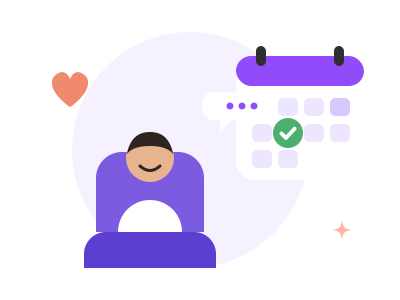 4 daysmedian wait for a first sessionYou are never toldwho used it, or why
Why most programmes go unused
Staff are given a number, get triaged by someone they will never speak to again, and are offered a slot weeks out with whoever is free. By then the moment they were ready to ask for help has passed. Two things fix it: speed, and seeing the same clinician each time.

Therapy that starts quickly
Matched to a therapist in days, by video or in person, with the same person each session.
Psychiatry when it's needed
Assessment, medication and reviews for anxiety, depression, ADHD and bipolar disorder.

Support in a crisis
A same-day route to a clinician, and a clear handover to emergency services when that is the right call.

Training for managers
Short, practical sessions on spotting difficulty early and having the first conversation well.
How it compares with a typical EAP
The honest version. A traditional EAP is cheaper per head — it is also the reason take-up sits near one in twenty.
| Typical EAP | Very Transparent Healthcare | |
|---|---|---|
| Wait for a first session | 2–6 weeks | About 4 days |
| Same therapist each session | Often not | Always |
| Sessions included | 3–6, then referred out | 8 a year, extendable |
| Psychiatry and medication | Not included | Included |
| Typical take-up | 3–5% | About 30% |
| Cost per employee | Lower | Higher, and used |
Confidentiality, spelled out
People only use mental health support they trust. So we tell your team the limits in plain language before they book, and we hold to them.
- You are never told who booked, or what was discussed
- Sessions do not appear in any report you receive
- Notes are the clinician's and the patient's, not yours
- Leaving the company does not end care mid-course
When there is a risk to life
If someone is at immediate risk of serious harm, a clinician may involve emergency services or a named contact. That is a clinical duty, and it still does not route through you.
- Explained to every patient upfront
- Clinical judgement, not an HR process
- Shared with emergency services, not the employer
How your team gets started
They reach out
In the app, in their own words. No manager approval and no HR form.
Matched in days
A short intake with a clinician, then matched to a therapist who fits what they need.
Care continues
The same therapist each session, with psychiatry alongside if that would help.
Questions employers ask
Can we see who is using it?
No. You see how many people used mental health support in total, and only where the group is large enough that no one could be identified. Never who, and never why.
What happens after the eight sessions?
If more would help, the therapist says so and we extend, either on your plan or privately at a price shown upfront. Nobody is cut off mid-treatment.
Can managers refer someone?
A manager can encourage someone to book, and our training covers how to do that well. They cannot book on a person's behalf or be told whether they did.
What about someone in crisis right now?
If a person is in immediate danger, call your local emergency number. Tele-MANAS, India's free mental health helpline, is on 14416 and answers at any hour.